
Arizona Water History
Despite being a desert in the current era, there are multiple fossil beds in Arizona that preserve the multitudes of life that inhabited the bodies of salt and freshwater now absent.
The grand canyon for example was formed during the permian period tens of millions of years before the dinosaurs, and contains aquatic fossils ranging from the sponges, crinoids, and trilobites since the precambrian. The grand canyon’s fossil records do not reveal only aquatic life as ferns, reptiles and insects were also present primarily discovered during the Permian alongside sharks and saltwater life.
After the Permian, the Mesozoic age of dinosaurs had a blend of terrestrial and aquatic animals indicating that both habitats were present. Although water levels fluctuated then decreased during the paleozoic, Triassic arizona still had respectable water levels into the age of the dinosaurs, with the 26 foot long crocodile relative Rutiodon and the semi aquatic marine predator tanystropheus indicating the presence of large aquatic bodies.
As the age of the dinosaurs continued the waterways of the Jurassic receded and became far more dry. However the Cretaceous had brought forth the Western Interior Seaway which hosted mosasaurs, plesiosaurs, and a plethora of marine life.
The end of the dinosaurs had also brought about the end of much of the water in Arizona, however that doesn’t mean that the state was a complete desert. The presence of alligators and mammoths indicate a far more water and floral rich ecosystem.
Most of the water lost in Arizona is due to human intervention with the Rillito river being removed due to damming.
EDF applauds Arizona Governor Hobbs’ historic investments in water supply protection
January 28, 2025
Arizona Governor Katie Hobbs has announced a $60.3 million investment to protect the state’s water supply, emphasizing conservation, technology, and infrastructure upgrades. Environmental Defense Fund (EDF) praised the move, highlighting the urgency of addressing Arizona’s strained groundwater and aging water systems. The funding, sourced from 2024 ARPA allocations, aims to support water sustainability and bolster underserved communities facing increasing water insecurity.

In the Wild West of Water, Residents Set Politics Aside to Protect their Future
February 13, 2025
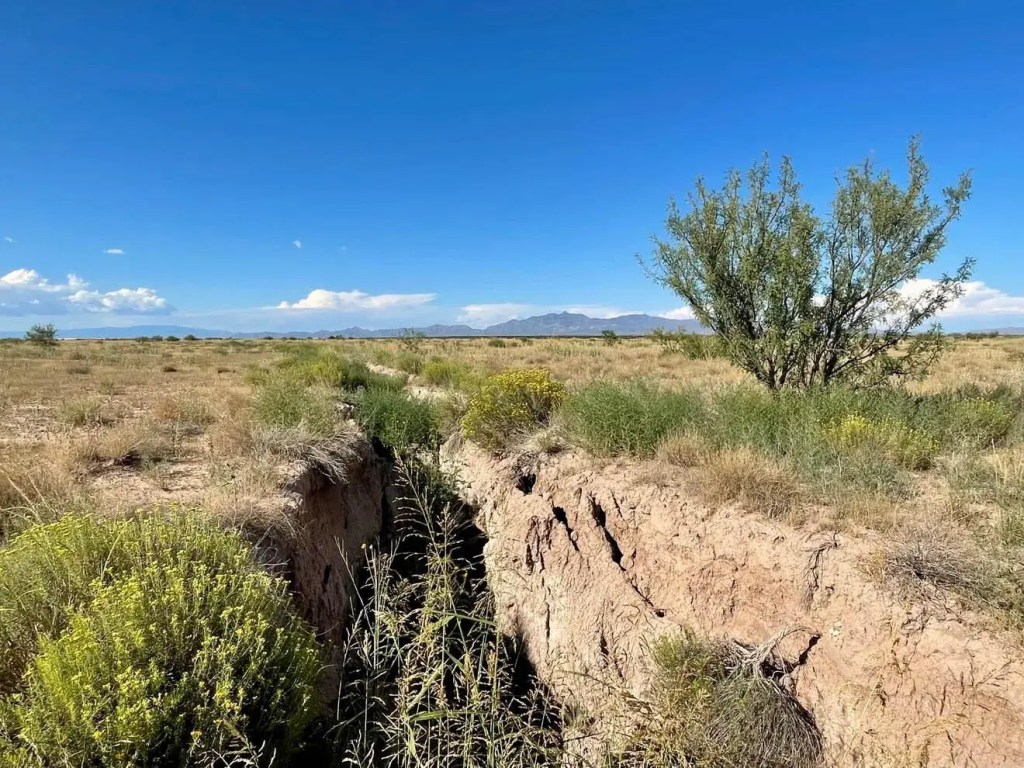
Residents in Cochise County, Arizona, are grappling with severe groundwater depletion caused by unregulated pumping and industrial agriculture, leading to dry wells, sinking land, and damaged homes. Despite initial resistance and political gridlock, the worsening crisis has united the community across political lines, prompting action from Governor Katie Hobbs, who designated the Willcox Basin as an active management area and invested in sustainable water measures. Now, residents and state officials are working together on a groundwater management plan to secure a livable future for the region.
 Water Leadership Institute