The California Chapter
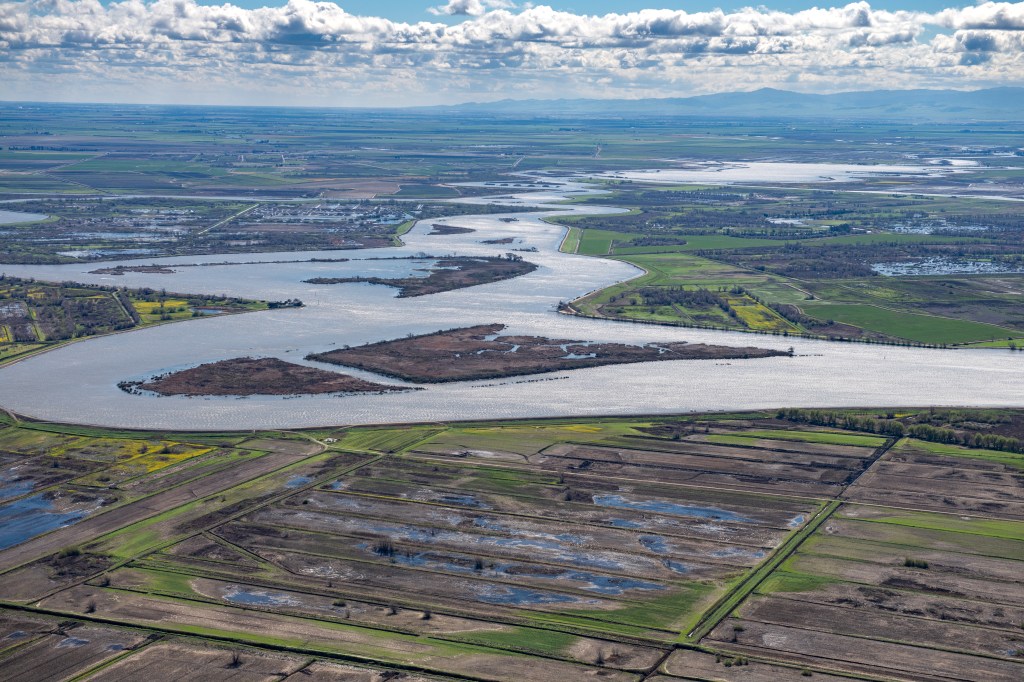
The California Chapter of the Water Leadership Institute is designed to strengthen local water leadership, grow new leaders, and expand a connected network of community water champions. This effort focuses on advancing equitable representation of rural, underrepresented, and disadvantaged communities in water decision-making, particularly focused on groundwater management.
The California Chapter of the WLI has held workshops in various locations across the San Joaquin Valley, and will be launching its inaugural Salinas Valley cohort in January 2026. Participants are supported in building the skills, relationships, and confidence needed to participate meaningfully in water-related committees, working groups, storytelling initiatives, and public processes that shape the future of their communities.
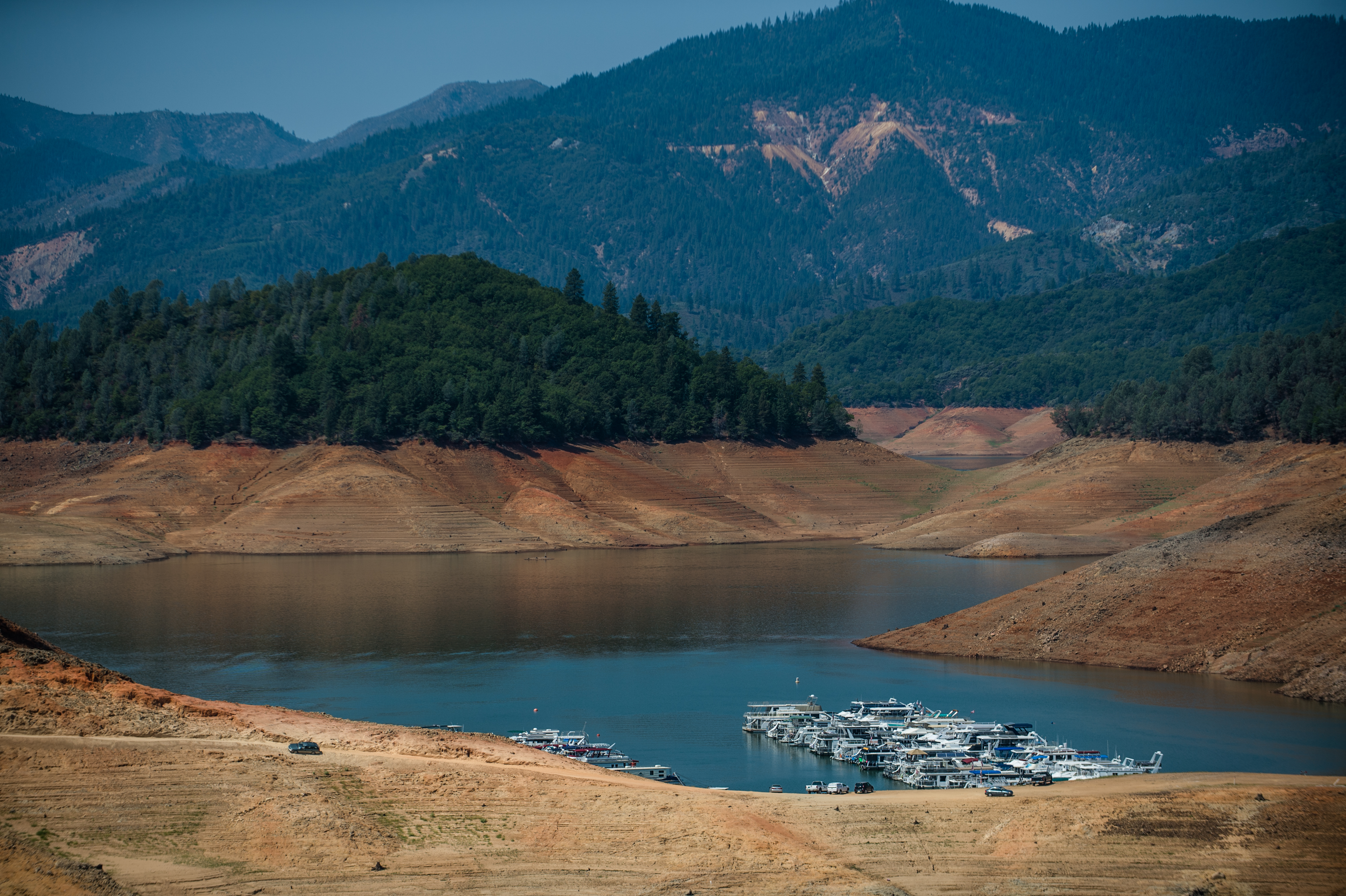
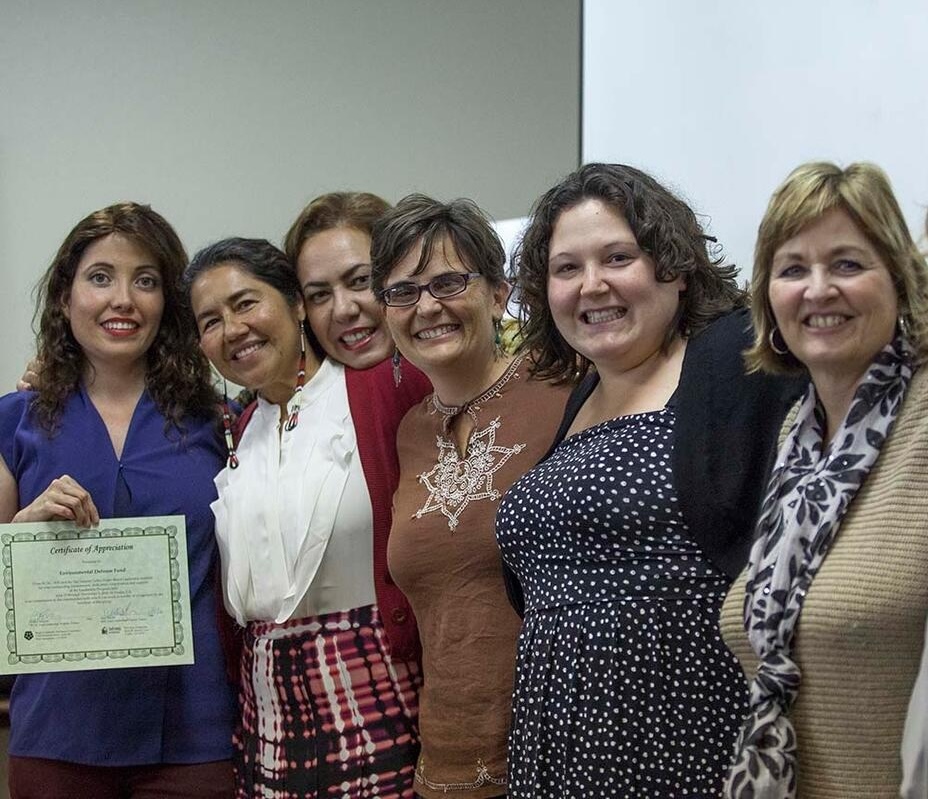
The 2026 Salinas Cohort
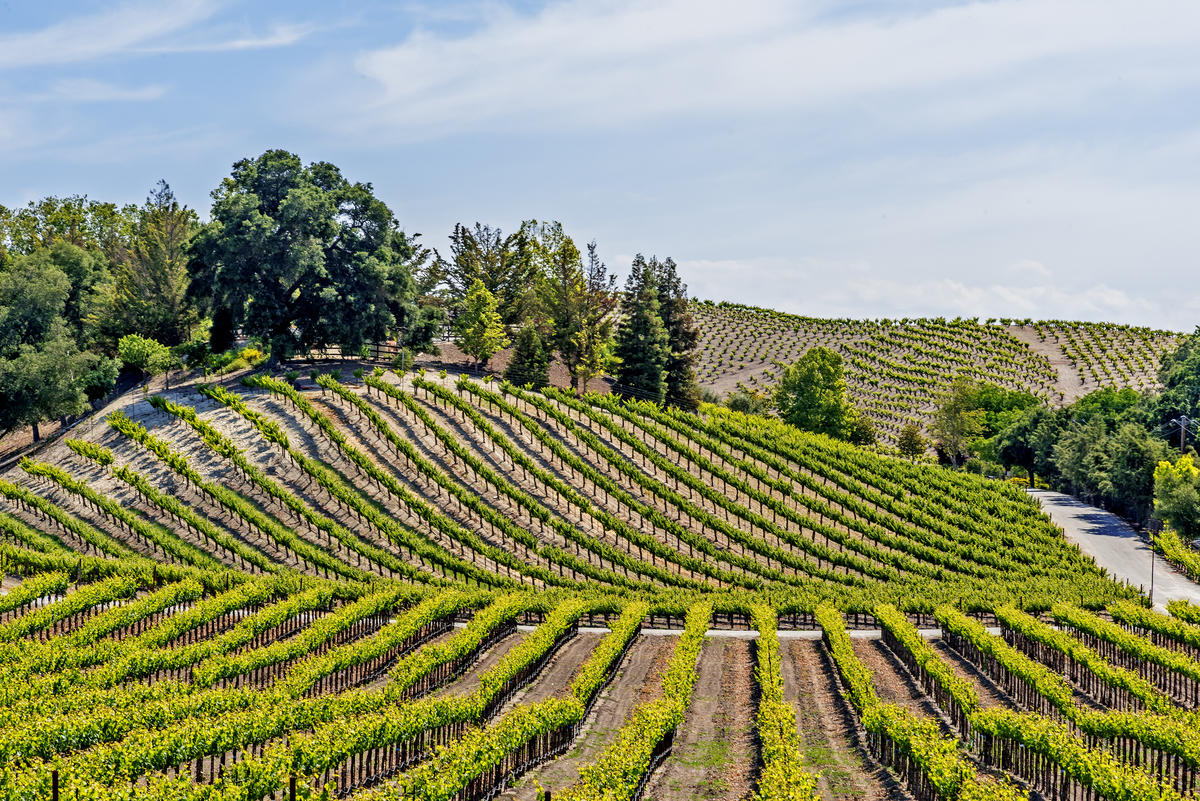
EDF and our partner organizations—including RCAC, SHE, and local GSAs—are currently in the planning and visioning phase for 2026. Guided by alumni insights and regional needs, we are exploring opportunities such as advanced leadership tracks, additional technical workshops, and expanded cross-subbasin collaboration. This next phase will continue building on the strong foundation established in 2025, with a focus on long-term community capacity, water justice, and shared regional resilience.
What to Expect
The Salinas Valley curriculum will be rooted in storytelling and inquiry, inviting participants to explore their relationships with self (personal), others (leadership), and place (water) across time — past, present, and future. This reflective approach helps strengthen participants’ sense of agency and belonging in local water decision-making spaces while honoring the deep cultural and environmental ties of the Salinas Valley.
Given that the Salinas Valley contains sixGroundwater Sustainability Plans (GSPs) with overlapping projects, the WLI is envisioned as a cross-subbasin knowledge exchange and collaborative space, where participants can build bridges across regions, share insights, and co-create pathways toward equitable and sustainable groundwater management.
Curriculum Sessions
Session 1: Present — Identity, Community, and Place
Guiding Question: How do our identities, experiences, and relationships with land and water shape how we show up today?
Learning Objective: Reflect on personal and community identities; understand how lived experience shapes our connection to water and our role in local decision-making spaces. Build a shared grounding in current local water systems, challenges, and opportunities in the region.
Session 2: Past — History, Systems, and Power
Guiding Question: How have past decisions, policies, and power dynamics shaped the water systems and communities we live in today?
Learning Objective: Examine the historical roots of groundwater use, land management, and inequitable planning in California. Explore how past policies and leadership structures created today’s water challenges and influenced whose voices have been included—or excluded—in decision-making.
Session 3: Future — Visioning Change and Community Leadership
Guiding Question: What does a just and sustainable water future look like for our communities, and what roles can we play in shaping it?
Learning Objective: Envision future possibilities for community-centered water governance. Identify individual and collective leadership strengths, community assets, and opportunities for advancing equitable water solutions and long-term resilience.
Session 4: Pathways — Taking Action & Sustaining Engagement
Guiding Question: How can we apply our knowledge, leadership, and community strengths to influence water decisions and drive change?
Learning Objective: Identify concrete pathways for engagement in water decision-making (GSAs, advisory groups, collaborations, community projects). Explore resources, networks, and supports needed to sustain leadership, foster cross-community collaboration, and advance community-driven water solutions.
San Joaquin Valley Chapter at a Glance
In 2025, EDF and our partners continued strengthening Water Leadership Institute (WLI) networks across the San Joaquin Valley by deepening alumni engagement, expanding learning opportunities, and co-creating pathways for long-term leadership. Across two major alumni convenings and several partner-driven collaborations, we focused on building community capacity, strengthening relationships with GSAs, and supporting community-led visions for equitable groundwater governance.
January 2025 Alumni Gathering: Reconnection & Co-Visioning
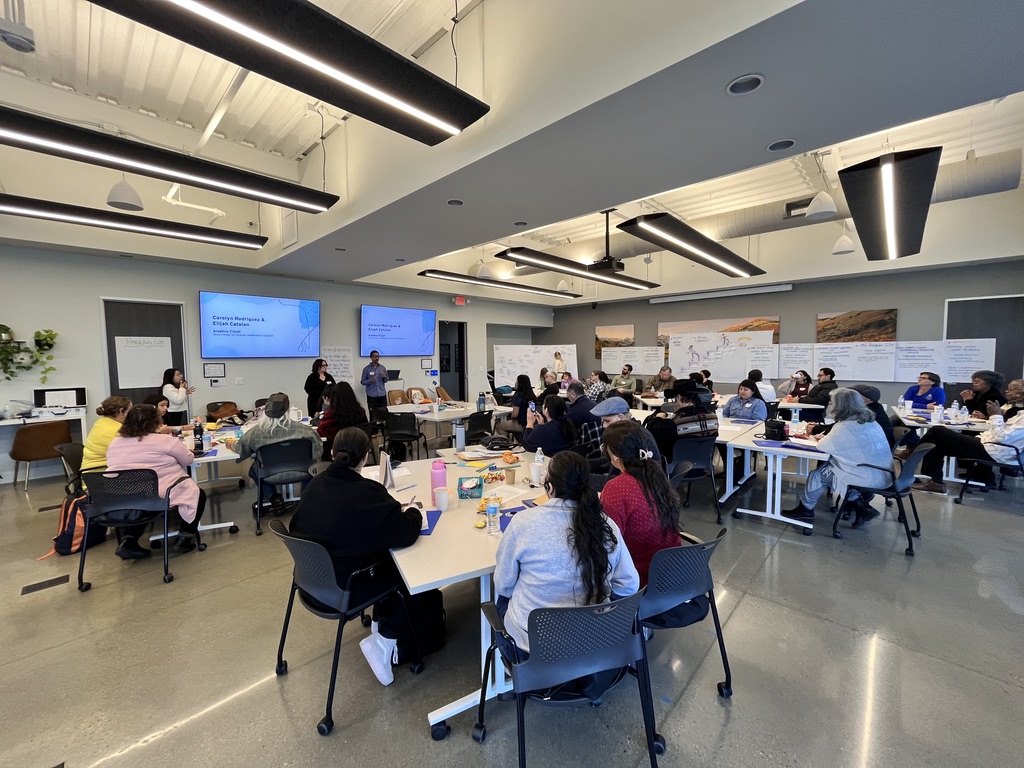
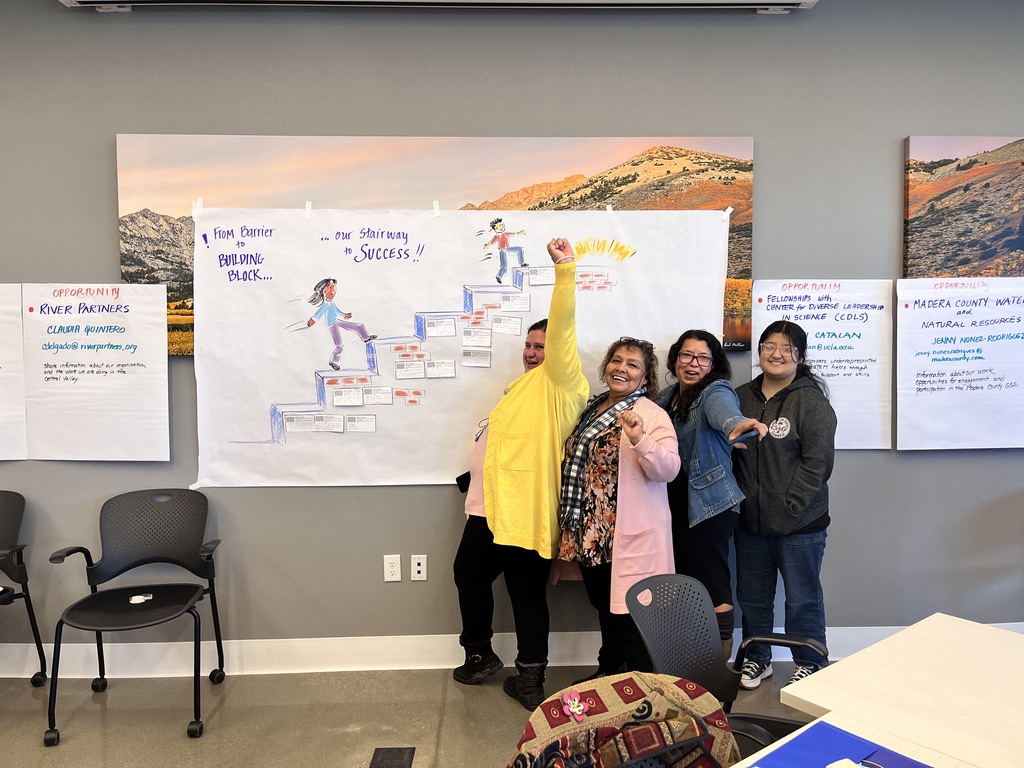
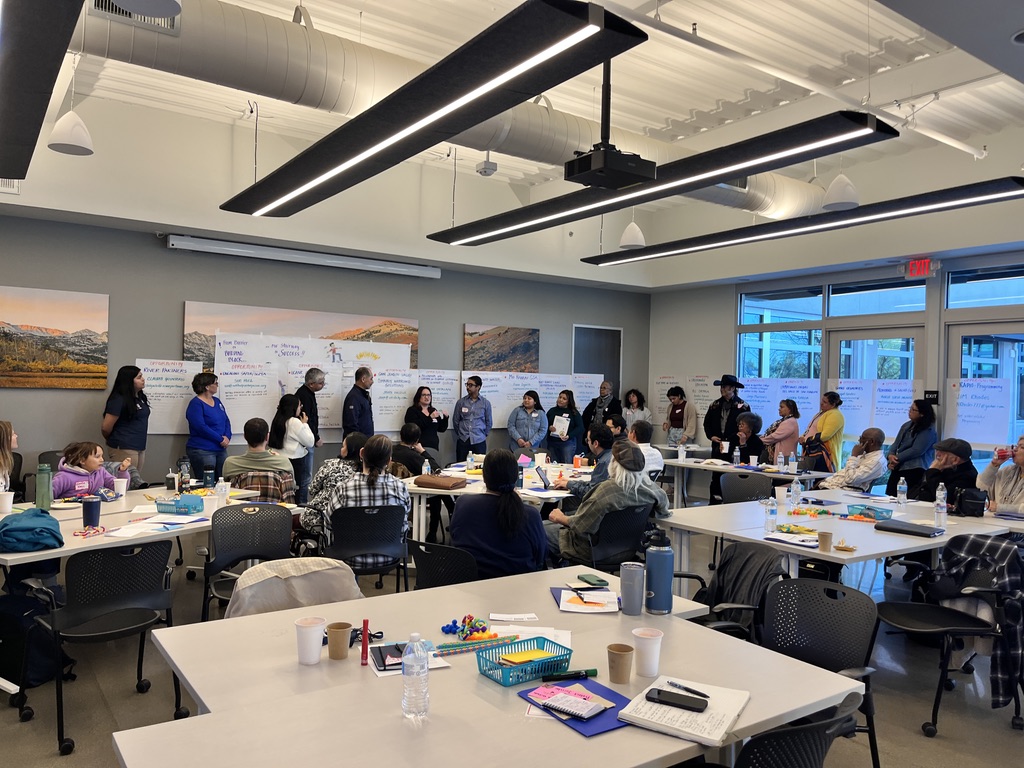
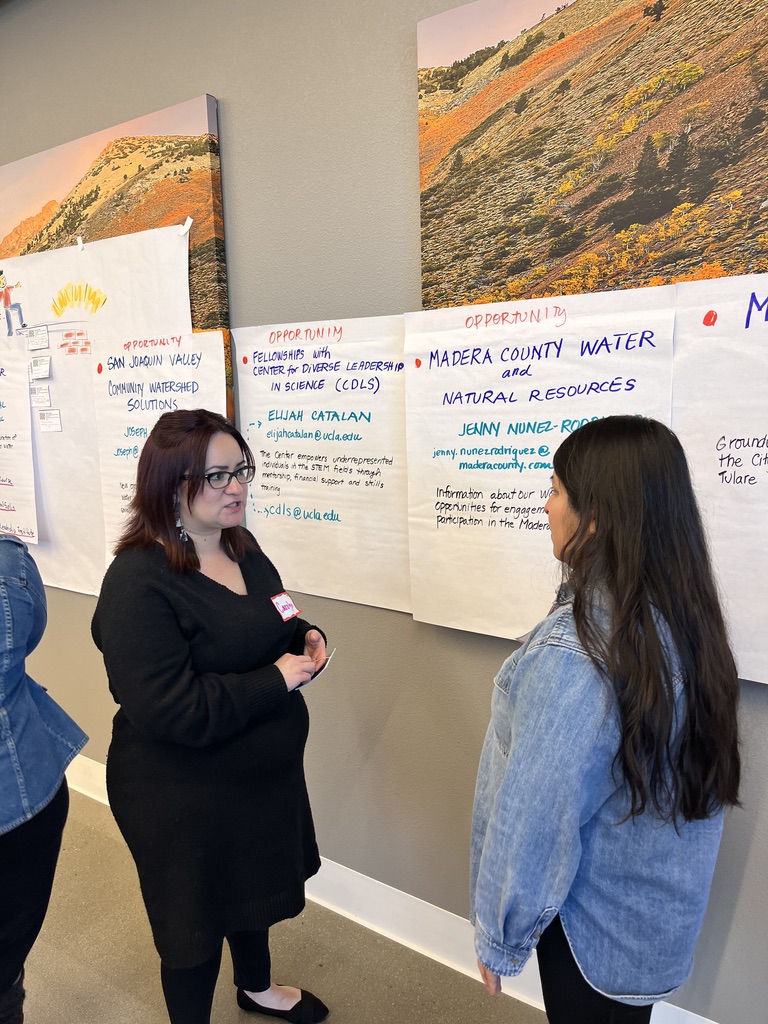
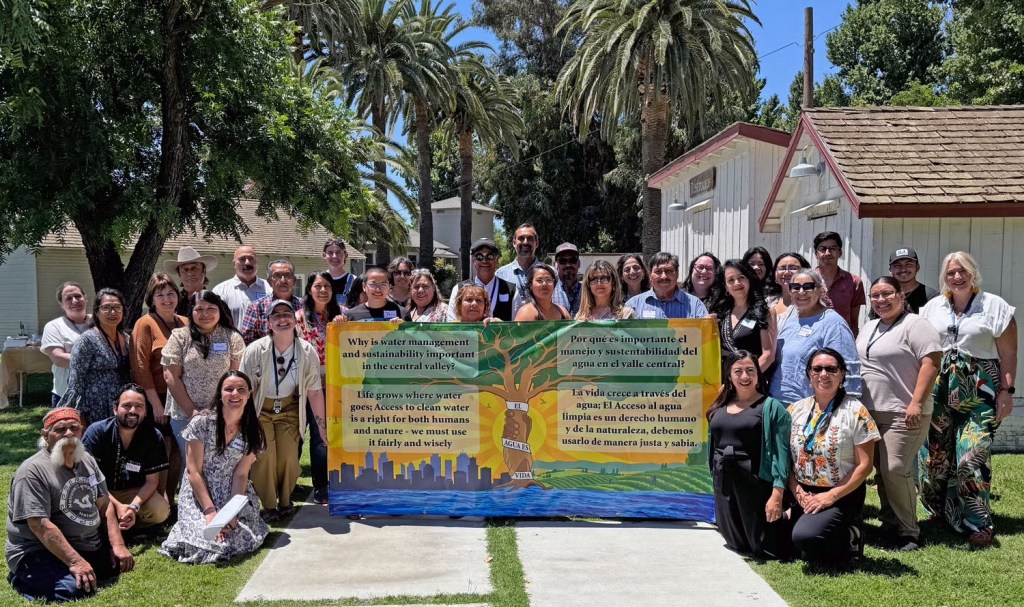
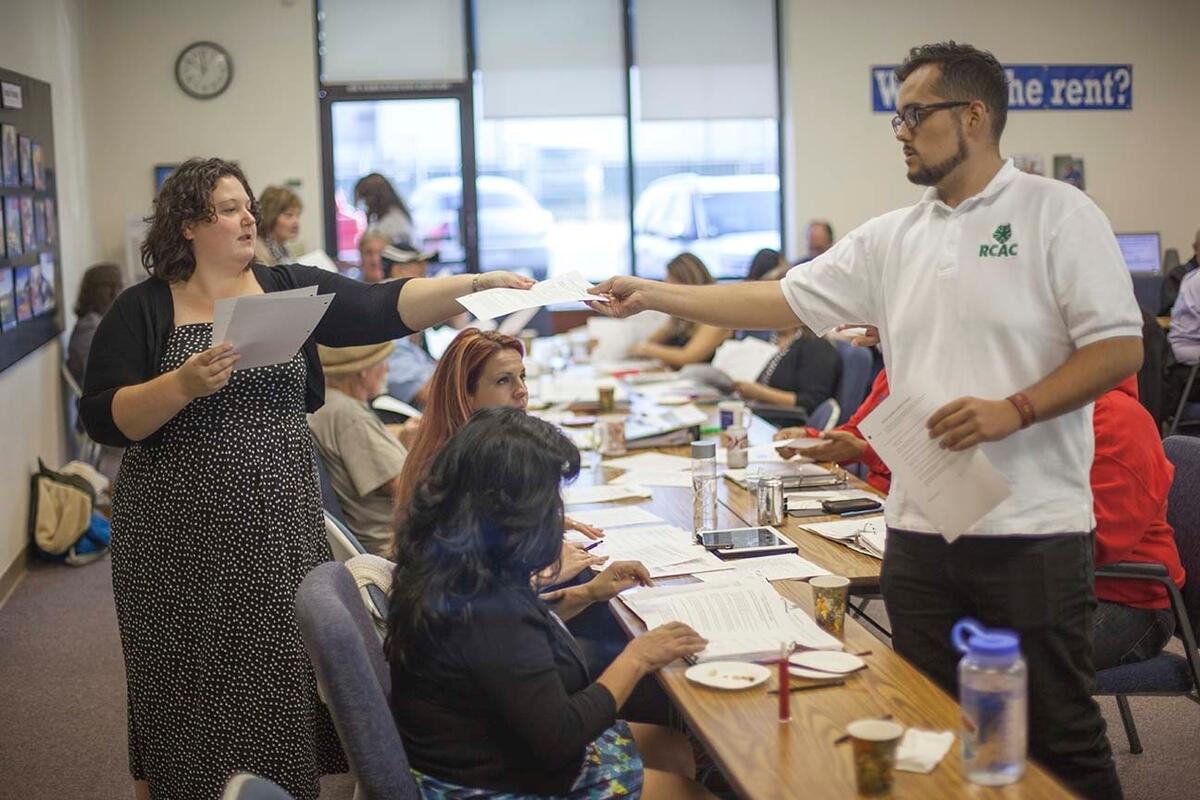
On January 18, 2025, more than 50 WLI alumni, GSA representatives, and community partners came together for a regional reunion focused on reflection, connection, and co-visioning. Participants shared barriers they have faced in local water decision-making and collaboratively developed a vision to guide the future of WLI programming in the San Joaquin Valley. Many alumni emphasized the need for more alumni-specific offerings—spaces where graduates who have completed multiple WLI cohorts can deepen their leadership, move into advanced advocacy roles, and strengthen cross-community collaboration.
October 2025 Science of Water Workshop: Responding to Alumni Needs
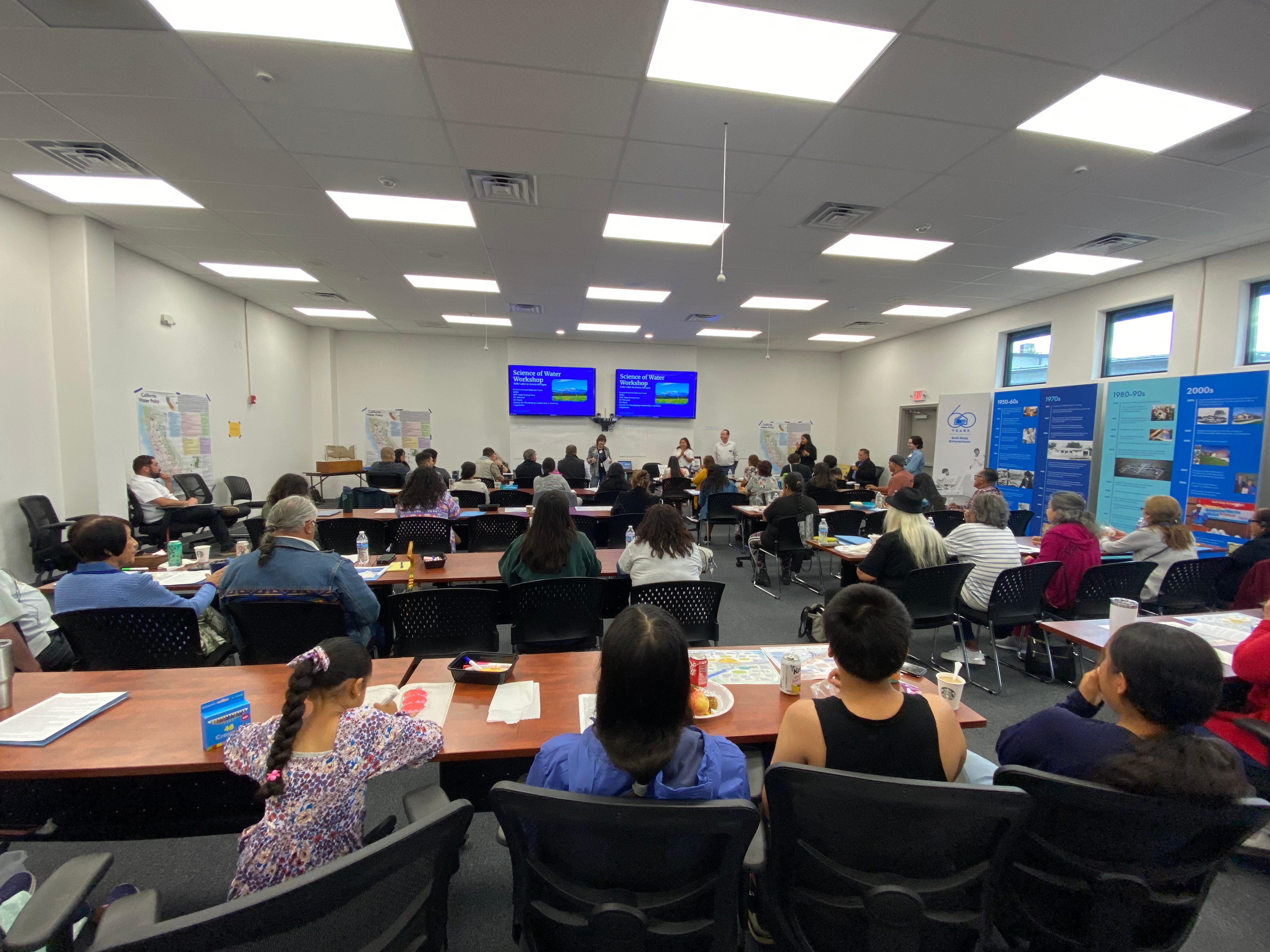
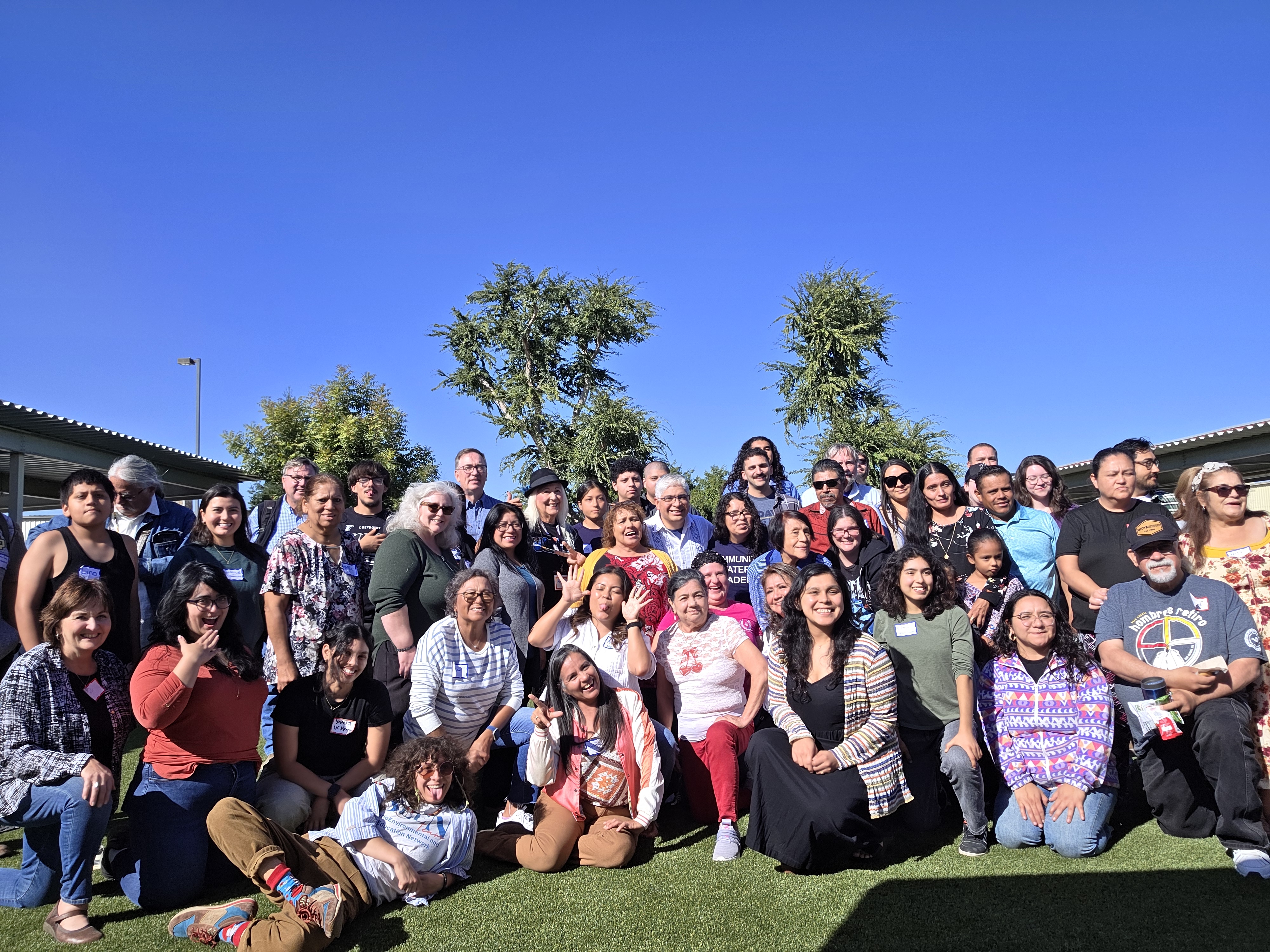
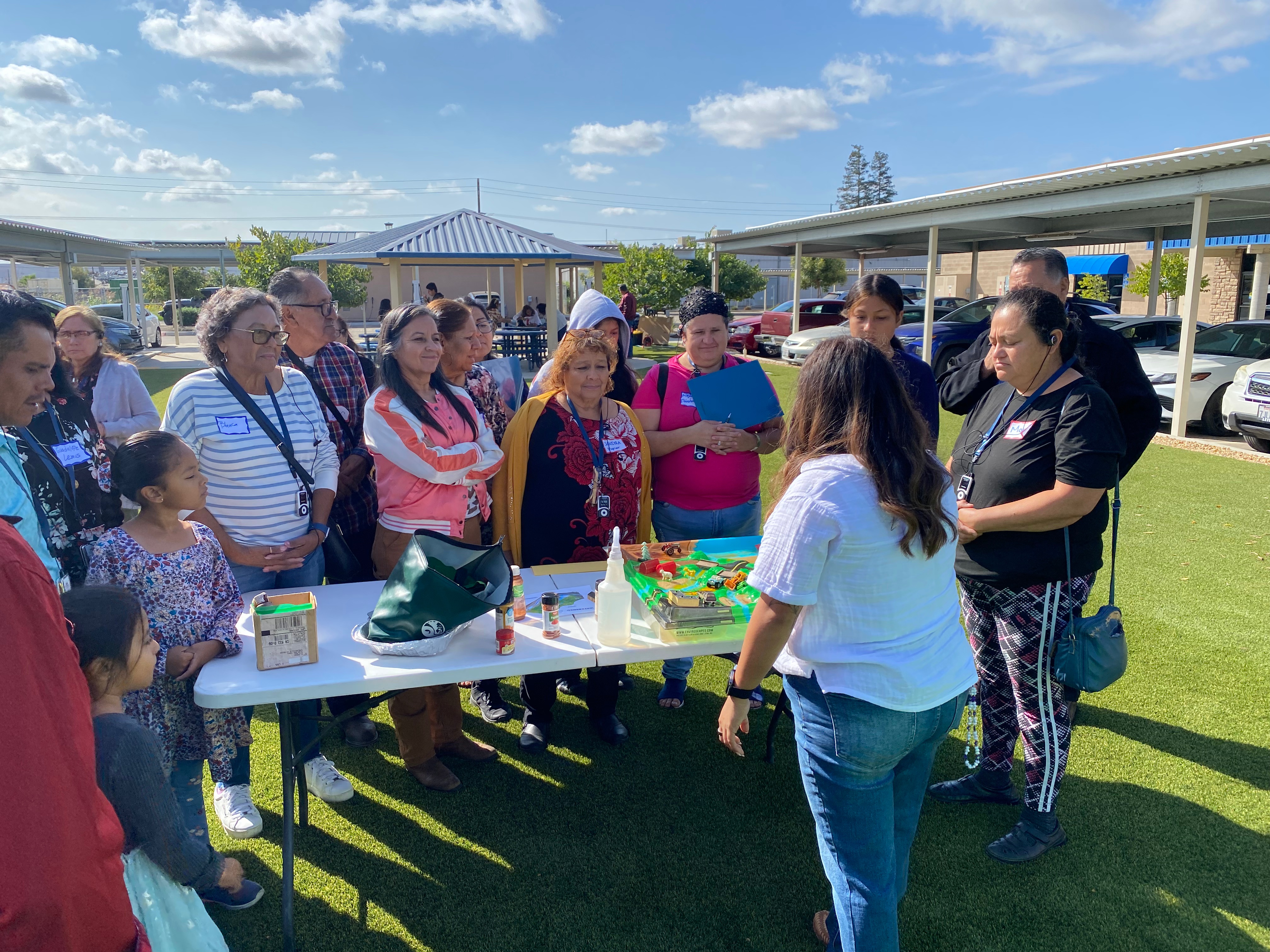
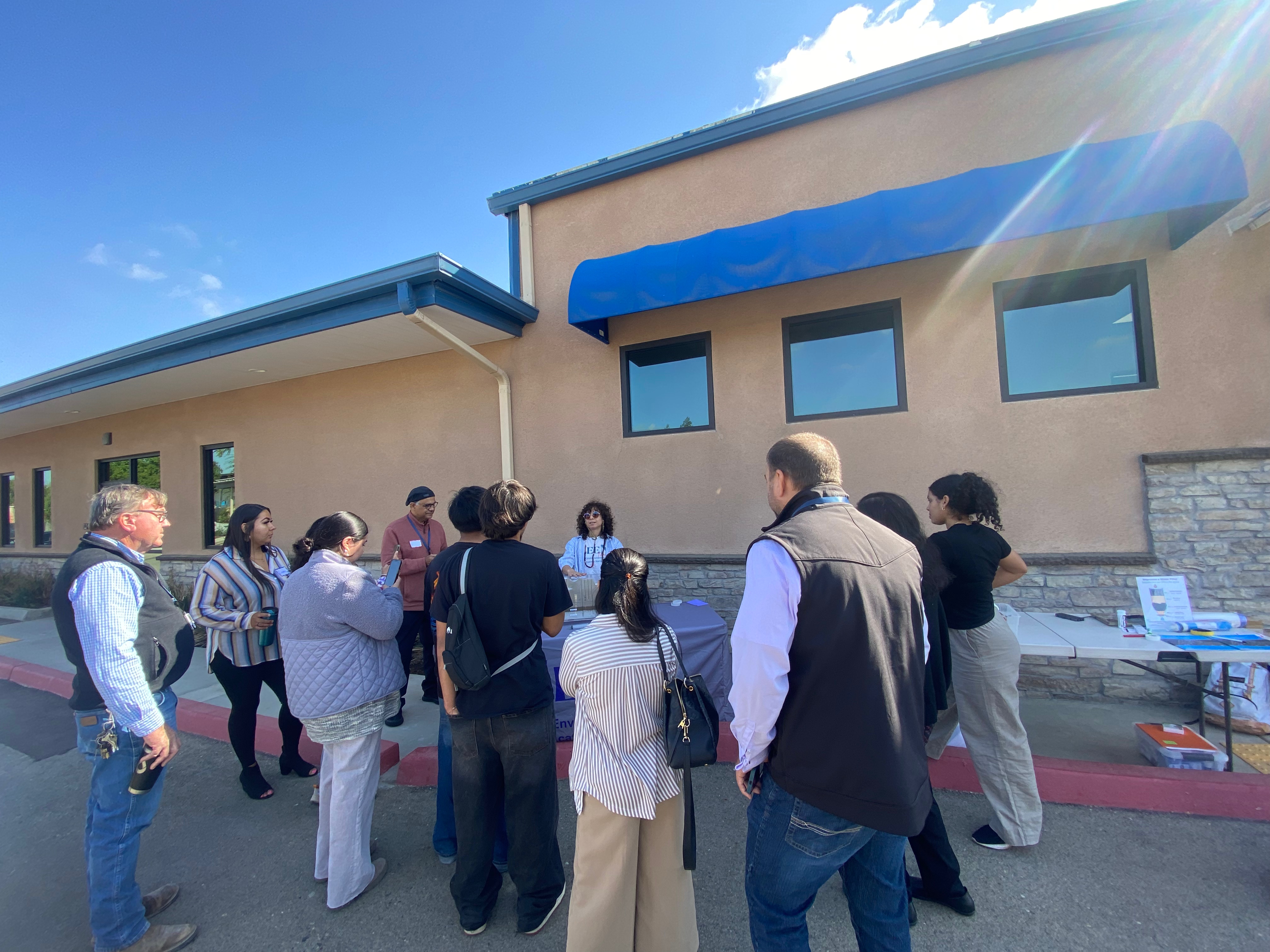
In direct response to the priorities raised during the January convening, EDF and partners co-hosted a Science of Water Workshop in October 2025. This hands-on, bilingual workshop was developed for alumni across the Kaweah Subbasin and broader SJV who expressed a desire for deeper technical knowledge about local water systems.
Workshop goals included:
- Exploring how water moves through the Kaweah Subbasin—from snowpack to groundwater—and how contaminants travel through these systems.
- Understanding groundwater level trends, domestic well challenges, mitigation strategies, and tools to track groundwater conditions.
- Gaining hands-on experience testing and interpreting water quality, highlighting the role of community science in monitoring.
- Strengthening connections between community members, GSAs, NGOs, and local networks to support coordinated community action.
News & Blogs
-
Founding the next generation of water leaders in Salinas Valley
Founding the next generation of water leaders in Salinas Valley
-
Water Leadership Institute Alumna Empowers the Next Generation of Water Leaders
Destiny Montes is a site director at Sequoia High School in Visalia, California, and graduate of the Water Leadership Institute (WLI) — a training program created by EDF, RCAC, and Self-Help Enterprises in 2015 to support California’s Sustainable Groundwater Management Act.
-
Community expertise is key to effective, equitable water governance
Rosanai Paniagua admits that she felt a sense of hopelessness after joining the Richgrove Community Services District board, eager to help manage her unincorporated community’s water.
-
Rosa learned how to help her community get reliable, clean water. You can too.
In 2022, Rosa applied for the Water Leadership Institute. Her motivation? To actively address severe water challenges impacting her family in El Nido in Merced County.
San Joaquin Valley Partners
Self-Help Enterprises
SocioEnvironmental and Education Network (SEEN)
UC Merced Water Systems Management Lab
UC Davis Water Management Lab
UCLA’s CDLS
Linguistica
Salinas Partners
Salinas Groundwater Sustainability Agency
California Marine Sanctuary Foundation
Rural Community Assistance Corporation
Sustainable Salinas
MILPA
Central Coast Wetlands Group
 Water Leadership Institute